How to Use Rosemary Oil for Hair Growth: A Simple Guide
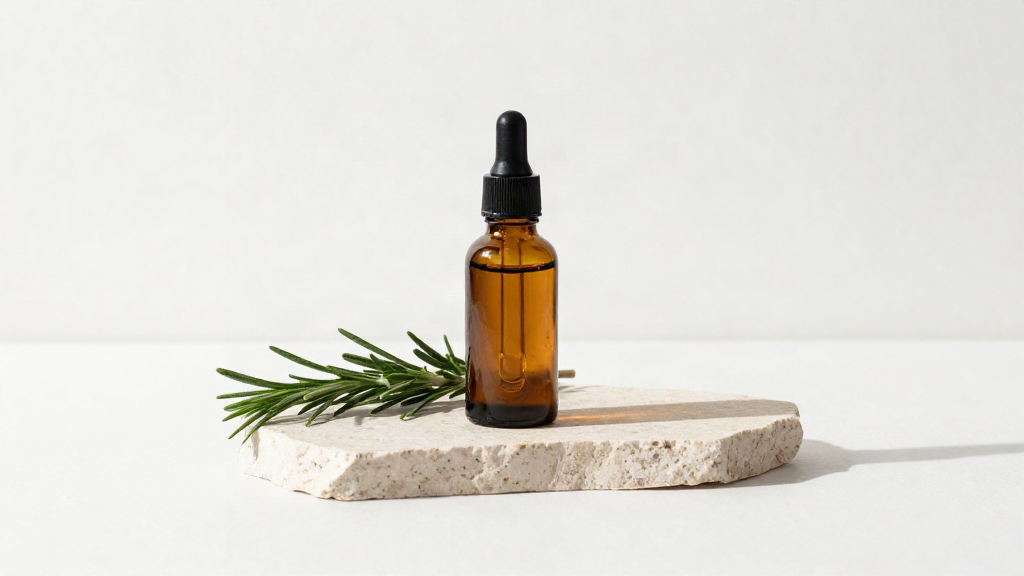
Rosemary oil has become one of the most talked-about ingredients in hair care, and most of that talk stays vague. You are told it is good for hair, then left with a bottle and no instructions. Do you apply it neat? How often? How long does it take to see anything at all?
This guide answers the questions people actually ask about how to use rosemary oil for hair growth. No hype, no complicated steps - just the plain version: what it does, how to dilute it, how to apply it without leaving your scalp heavy, and how to build it into a routine you will actually keep.
What rosemary oil actually does for hair
Rosemary oil is a botanical oil pressed from the rosemary plant. It is used in scalp care for two reasons: it supports a healthy scalp environment, and it helps hair look and feel stronger over time.
That distinction matters. Rosemary oil is a cosmetic ingredient, not a medicine. It is not a treatment for hair loss, and it will not regrow hair that has stopped growing. What it can do is support the scalp you have - keeping it conditioned, comfortable, and in good shape - so your hair has the best possible starting point. Most people who use it consistently describe fuller-looking, stronger-feeling hair rather than dramatic overnight change.
If your goal is a healthier scalp and hair that behaves better, rosemary oil belongs in your routine. If you are looking for a medical result, talk to a dermatologist first.
How to dilute rosemary oil before you apply it
This is the question that trips most people up. Pure essential oil is far too concentrated for direct use on the scalp and can cause irritation, redness, or a stinging sensation. It needs a carrier.
A carrier oil is a plain, skin-friendly oil that dilutes the active one and helps it spread. Jojoba, argan, and sweet almond oil all work well because they are light enough not to sit heavily on the scalp.
A simple starting ratio is one part rosemary essential oil to ten parts carrier oil - roughly 5 to 6 drops of rosemary per tablespoon of carrier. If your scalp is sensitive, start at half that strength.
The easier route is to use a formula that is already blended. Abragi's Rosemary Hair & Scalp Strengthening Oil is made for direct scalp use, so the dilution is handled for you. That removes the guesswork and the risk of mixing something too strong.
How to apply it to your scalp without heaviness
Heaviness comes from using too much oil in too small an area. A few drops go further than you think.
- Start with dry, detangled hair. Oil absorbs best on a clean, dry scalp, so apply before your next wash rather than after.
- Part your hair in sections. Use the tip of the dropper or your fingertips to place small dots of oil directly along the scalp line, working from front to back.
- Massage it in. Use the pads of your fingers - never your nails - and work in small circles for three to five minutes. This spreads the oil evenly and feels good besides.
- Do not saturate the lengths. The scalp is the target. If your ends feel dry, use a separate lightweight oil or a leave-in, not more scalp oil.
- Let it sit, then wash. Fifteen to thirty minutes is plenty for a normal routine. If you prefer to leave it on longer, an hour before washing is fine.
If your scalp still feels coated after washing, you used too much. Halve the amount next time.
How often should you use it
Once or twice a week is the sweet spot for most people. This is enough to keep the scalp conditioned without turning your routine into a chore, and it gives you a clear pattern to judge results against.
Two habits make a real difference:
- Be consistent. One application every few weeks will not tell you anything. Weekly use over two to three months will.
- Wash it out properly. Follow with a gentle cleanser so no residue builds up. Abragi's Acne Purifying Face Wash is for the face, not the scalp, but the same principle applies: cleanse without stripping.
If you colour, bleach, or heat-style your hair often, you may prefer to keep rosemary oil to once a week and focus on gentle handling in between.
What results to expect, and when
Honest expectations are the most useful thing anyone can give you here. Hair grows slowly - roughly half an inch a month - so anything that supports it will look gradual.
Here is a realistic timeline:
- First two weeks: a more comfortable, less tight-feeling scalp. This is the quickest and most reliable change.
- Four to six weeks: hair may feel softer and look less dull, especially if your scalp was dry or flaky before.
- Eight to twelve weeks: with consistent weekly use, many people notice hair that looks fuller and sheds less during washing and brushing.
What you will not get is a new head of hair in a month. Anyone promising that is selling something other than oil.
Common questions, answered plainly
Can I use rosemary oil every day? You can, but most people do not need to. Once or twice a week is enough for scalp support, and daily use raises the chance of irritation if your formula is not diluted well.
Can I leave it on overnight? Yes, if your scalp tolerates oil and you use a light, well-diluted formula. Use a small amount, protect your pillow, and wash it out in the morning. If you wake with an itchy or irritated scalp, switch to a shorter contact time.
Does it work on all hair types? Rosemary oil is used across straight, wavy, curly, and coily hair. The main variable is how much you use. Fine or straight hair usually needs less; thick, curly, or coily hair can take a little more, and benefits from oiling in sections so the scalp is reached.
Can I mix rosemary oil with other oils? Yes - jojoba, argan, and castor are common pairings. Keep the ratio sensible and do not stack several strong essential oils at once.
Will it make my hair greasy? Only if you over-apply or skip washing it out. Used sparingly on the scalp and rinsed properly, it should not leave a residue.
Building it into a weekly routine
Keep it simple and repeatable:
- Once or twice a week: apply a small amount of rosemary oil to a dry scalp, massage for three to five minutes, leave for fifteen to thirty minutes, then wash out.
- Every wash day: be gentle. Detangle from the ends up, avoid very hot water, and skip harsh scrubbing.
- Daily: keep heat tools low and give your scalp a minute of fingertip massage when you remember.
That is the whole routine. Rosemary oil works best as a steady, unremarkable habit rather than a dramatic one-off treatment.
The short version
To use rosemary oil for hair growth: dilute it in a carrier oil or choose a ready-blended scalp oil, apply a small amount directly to the scalp in sections, massage it in, leave it for fifteen to thirty minutes, and wash it out - once or twice a week. Support it with gentle washing and low heat, then give it two to three months of consistent use before you judge the results.
Simple care, clearly explained - and this is one of the simplest things you can add to your routine.